


Also known as: Chronic glaucoma, Primary open angle glaucoma (POAG), Acute glaucoma, Acute angle closure glaucoma, Normal tension glaucoma, Ocular hypertension, The silent thief of sight
This page has been checked by a named clinical or subject-matter reviewer (see the byline above). It remains general information, not a substitute for advice from a qualified eye care professional about your own eyes.
A glaucoma diagnosis often comes out of the blue, at a routine eye test, when your eyes feel completely fine. That is actually good news: it usually means it has been caught early, and treatment can protect the sight you have.
This page is for general information only and is not a substitute for advice from a qualified eye care professional. If you are worried about your eyes or your vision has changed, contact your GP, optician or hospital eye service.
Overview
Your optic nerve carries everything your eye sees to your brain. Glaucoma is the name for a group of conditions where this nerve becomes damaged, most often because the pressure inside the eye is too high.
The eye constantly makes a clear, watery fluid that keeps it healthy and in shape. This fluid is not tears; it is made inside the eye and drains away through a mesh of tiny channels. Pressure builds when the fluid drains more slowly than it is made, and over time that pressure squeezes and damages the optic nerve where it leaves the eye. Some people develop glaucoma even with normal pressure, because their nerve is more sensitive than usual.
The most common type in the UK, primary open angle glaucoma, develops very slowly over years. Because it affects the edges of your vision first, and the brain quietly fills in the gaps, most people notice nothing at all in the early stages. Around 1 in 50 people over 40 have glaucoma, rising to about 1 in 10 over 75, and roughly 480,000 people in England live with the chronic form.
Sight lost to glaucoma cannot be brought back, and that sounds frightening, but the other half of the story matters more: caught early and treated, glaucoma can almost always be stopped or slowed to a crawl, and most people keep useful sight for the rest of their lives.
Types of Glaucoma
Primary open angle glaucoma (chronic glaucoma)
About this type
The most common type in the UK. The eye's drainage channels slowly become less efficient, pressure creeps up, and the optic nerve is damaged gradually over years. There are usually no symptoms until side vision is affected, so it is nearly always found at an eye test. Treated with laser (often first), daily drops, or surgery if needed, with lifelong monitoring. Caught early, most people keep useful sight for life.
Acute angle closure glaucoma
About this type
A rare emergency where the drainage angle blocks suddenly and pressure spikes within hours. It causes severe eye pain, a red eye, blurred vision, halos around lights, headache and sickness. Without fast treatment it can permanently damage sight in the affected eye. Treated urgently in hospital with pressure-lowering medicines, then a small laser hole in the iris of both eyes to prevent another attack. More common in long-sighted people, women and people of East Asian origin.
Normal tension glaucoma
About this type
Glaucoma that develops even though eye pressure is in the normal range, because the optic nerve is unusually sensitive. Symptoms and progression follow the same slow pattern as open angle glaucoma, and the treatment is the same too: lowering the pressure further still protects the nerve.
Secondary glaucoma
About this type
Glaucoma caused by something else, such as inflammation inside the eye (uveitis), an eye injury, diabetes-related changes or long-term steroid medicines. Treatment tackles the underlying cause alongside the usual pressure-lowering drops, laser or surgery.
Congenital or childhood glaucoma
About this type
A rare form, present at or soon after birth, where the eye's drainage system has not formed properly. Signs in a baby include watery eyes, unusual sensitivity to light, eyelid squeezing, or eyes that look cloudy or unusually large. It is serious but treatable, usually with prompt surgery at a specialist centre and lifelong follow-up.
Ocular hypertension
About this type
Raised pressure in the eye without any damage to the nerve or sight. It is not glaucoma, but it increases the risk of developing it, so it is monitored, and at higher pressures treated with laser or drops to stop glaucoma developing in the first place.
Signs and symptoms
- Usually nothing at all in the early stages, which is why glaucoma is nearly always picked up at a routine eye test
- Gradual loss of side vision, which you may only notice once patches are missing, for example bumping into things on one side
- In later stages, 'tunnel vision', where the centre stays clear but the edges close in
Acute glaucoma is different and rare: pressure rises suddenly, causing severe eye pain, a red eye, blurred vision, rainbow halos around lights, headache and feeling sick. This is a medical emergency. Call 999 or get to A&E straight away, and do not drive yourself there.
Where it affects the eye
What it can look like
Causes and risk factors
- Age. Glaucoma is uncommon under 40 and becomes steadily more likely as you get older
- Family history. If a parent, brother, sister or child has glaucoma, your own risk is much higher, and NHS eye tests are free for you from age 40
- Ethnicity. People of Black African or Caribbean origin are at higher risk of open angle glaucoma, and people of East Asian origin at higher risk of angle closure glaucoma
- Raised pressure in the eye (ocular hypertension)
- Being very short-sighted (for open angle) or long-sighted (for angle closure)
- Diabetes
- Long-term use of steroid medicines
Diagnosis and eye examinations
Glaucoma is usually found at an ordinary opticians appointment, and none of the tests hurt. The optometrist measures the pressure in your eyes, either with the familiar puff-of-air machine or with a small probe that gently touches the front of your numbed eye, which you cannot feel. You will also do a visual field test, where you look at a central spot and press a button whenever you see a light flash off to the side. This maps any gaps in your side vision.
The optometrist also looks at the optic nerve itself, often using an OCT scan, which is a quick, no-touch photograph that shows the nerve in fine detail. They may use drops to widen your pupils for a better view, which leaves your vision blurry for a few hours, so it is best not to drive to the appointment.
If glaucoma is suspected, you will be referred to a specialist eye doctor at the hospital. They repeat and refine these tests and may also check the drainage angle of your eye using a special contact lens on the numbed surface, and measure the thickness of your cornea, which affects pressure readings. Together these confirm whether you have glaucoma, which type, and how it should be treated.
Treatment and management
All glaucoma treatment does the same job: lowering the pressure in your eye to protect the nerve from further damage. It cannot restore sight already lost, which is why starting early and sticking with treatment matters.
For most people, treatment means daily eye drops, laser treatment, or both. A gentle laser treatment called SLT is now often offered first for the common form of glaucoma. It takes around 20 minutes at an outpatient appointment and opens up the eye's drainage channels so fluid flows out more easily. In a large UK trial, about three-quarters of people who had this laser first needed no drops at all three years later. The effect can wear off over time, and the treatment can be repeated.
Eye drops, most commonly latanoprost used once a day in the evening, lower the pressure for as long as you keep using them, usually for the rest of your life. The drops can have side effects worth knowing about: they can gradually darken your eye colour, make eyelashes longer and thicker, or leave eyes red and itchy. If drops irritate your eyes, tell your clinic rather than quietly stopping, as preservative-free versions and alternatives exist. A useful technique: after putting a drop in, close your eye and press gently on the inner corner by your nose for a minute. This keeps the drop working in the eye rather than draining away.
If drops and laser are not enough, surgery can help. The standard operation, trabeculectomy, creates a tiny new drainage route for fluid to leave the eye. It is usually done under local anaesthetic and takes a few weeks to recover from. Acute glaucoma is treated as an emergency with fast pressure-lowering medicines, followed by a small laser hole in the iris of both eyes to stop it happening again.
Whatever the treatment, glaucoma needs checking for life. Expect regular appointments for pressure checks, field tests and scans, typically every four to twelve months once things are stable. Keep every one of them, even when your eyes feel completely normal.
Living with the condition
Most people with glaucoma live an entirely normal life. You can read, work, use screens, exercise, travel and fly as usual. The condition does not hurt, and day to day the main job is simply remembering the drops.
Making the drops automatic is the single most useful habit. Tie them to something you already do at the same time every day, like brushing your teeth, or set a phone alarm. If you miss a dose, skip it and carry on the next day rather than doubling up. If arthritis or shaky hands make the bottles fiddly, ask about drop dispensers; simple aids make a big difference.
On driving: most people with glaucoma keep driving. You only need to tell the DVLA if glaucoma affects both eyes (or your only seeing eye). They will arrange a visual field test, and many people pass and keep their licence. Not telling them when you should risks a fine of up to £1,000.
It is also worth telling your close family. Parents, brothers, sisters and children of someone with glaucoma are at much higher risk themselves, and from age 40 their NHS eye tests are free. A lifelong diagnosis can play on your mind, and talking helps, whether to the Glaucoma UK helpline, an eye clinic liaison officer at the hospital, or to us.
Support available from WDSA
Most people with glaucoma will never need sight loss services, but if your sight has been affected, or you are worried about where things are heading, we are here. The majority of our services are free (some activities carry a contributory charge), confidential and open to anyone in the Wakefield district, with no professional referral needed.
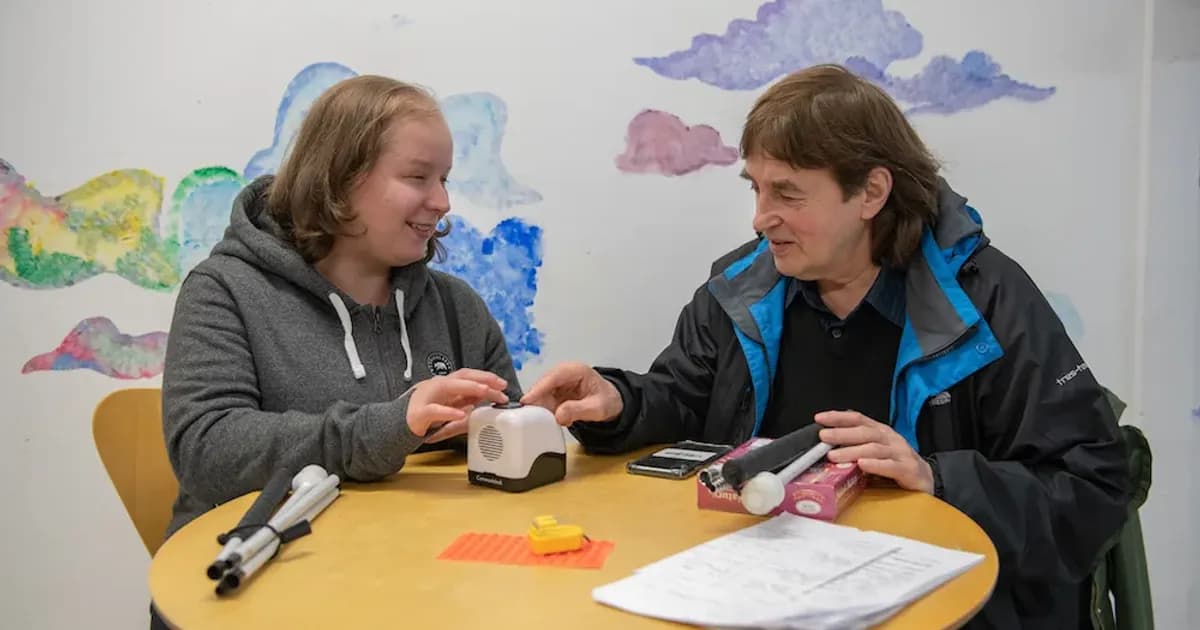
Our helpline is manned by our friendly staff team who can talk you through what a glaucoma diagnosis means in practice, from understanding your appointments to benefits and registration if your sight is significantly affected. Our experienced Sight Loss Advisor, Nicola Ford, can visit you at home to suggest practical changes, and demonstrate equipment such as task lighting, tactile markers and talking devices. Our Living Well with Sight Loss courses go into more detail on this, as well as some great information about getting out and about, daily living skills, and leisure activities. If getting out is difficult, we offer the same support by phone.
You can try assistive technology with us before buying anything, and our coffee mornings and social groups across the district are a good way to meet others who understand. We also support the family members and carers of people with sight loss.
Call us on 01924 215 555 (Monday to Thursday, 9.30am to 1.30pm), email admin@wdsa.org.uk, or visit us at St Swithun's Community Centre, Wakefield (our small team works flexibly, so please make an appointment before visiting the office).
When to seek help
Get emergency help the same day, by calling 999 or going to A&E, if you have a sudden painful red eye with blurred vision, rainbow halos around lights, headache or sickness. This could be acute glaucoma, and fast treatment protects your sight. Do not drive yourself there.
Everything else about glaucoma is routine, but the routine really matters. Have an eye test at least every two years, or as often as your optometrist advises, because early glaucoma has no symptoms you can feel. If you have already been diagnosed, keep every monitoring appointment and never stop your drops without talking to the clinic first. And if a close relative has glaucoma, book yourself an eye test; from 40 it is free for you on the NHS.
Common questions
Will I go blind from glaucoma?
Very unlikely. Total blindness from glaucoma is rare in the UK. The sight already lost cannot come back, but treatment stops or dramatically slows any further loss. The people who lose serious sight are mostly those diagnosed very late or who stop their treatment, which is why the drops and the check-ups matter so much.
Can glaucoma be cured?
No, but it can be controlled, usually very well. Drops, laser or surgery keep the pressure down for as long as the treatment continues, and monitoring carries on for life. Think of it like blood pressure: not cured, but managed so it cannot do harm.
Is glaucoma hereditary? Should my children be tested?
Family history is one of the biggest risk factors. Close relatives of someone with glaucoma are up to ten times more likely to develop it themselves. Your parents, brothers, sisters and children should have regular eye tests, and from age 40 those tests are free on the NHS because of your diagnosis.
Can I still drive with glaucoma?
Usually, yes. You must tell the DVLA if glaucoma affects both eyes, or your only seeing eye. They will arrange a visual field test, and many people pass and keep their licence. If it affects just one eye and the other is healthy, you do not need to report it for an ordinary car licence. Not telling the DVLA when you should can mean a fine of up to £1,000.
What happens if I forget my eye drops?
One missed dose is not a disaster. Skip it and carry on as normal the next day, and never put in a double dose to catch up. The real danger is missing drops often, because pressure rises silently and the damage quietly builds. If remembering is a struggle, or the drops sting, tell your eye clinic. There are alternatives, including preservative-free drops and laser treatment.
Does high eye pressure always mean glaucoma?
No. Raised pressure without nerve damage is called ocular hypertension. It is not glaucoma, though it raises the risk, so it is kept an eye on and sometimes treated. The reverse is also true: some people develop glaucoma with completely normal pressure. Diagnosis rests on the health of the optic nerve and your field of vision, not the pressure number alone.
Useful contacts
- Wakefield District Sight Aid
Local support for anyone in the Wakefield district: helpline, home visits from our Sight Loss Advisor, equipment demonstrations, Living Well with Sight Loss courses, social groups and telephone support
- Glaucoma UK
National glaucoma charity: helpline (Monday to Friday, 9.30am to 5pm), support groups and a buddy scheme
- RNIB Helpline
National sight loss charity: advice, information and emotional support (weekdays 8am to 8pm, Saturdays 9am to 1pm)
- DVLA Drivers' Medical Enquiries
Telling the DVLA about glaucoma affecting both eyes
Where this information comes from
This page was written by WDSA in plain English, using publicly available guidance from the following sources — not copied from them:
This page is for general information only and is not a substitute for advice from a qualified eye care professional. If you are worried about your eyes or your vision has changed, contact your GP, optician or hospital eye service.