


Also known as: Newly diagnosed, Registering as sight impaired, Certificate of Vision Impairment (CVI)
This page has been checked by a named clinical or subject-matter reviewer (see the byline above). It remains general information, not a substitute for advice from a qualified eye care professional about your own eyes.
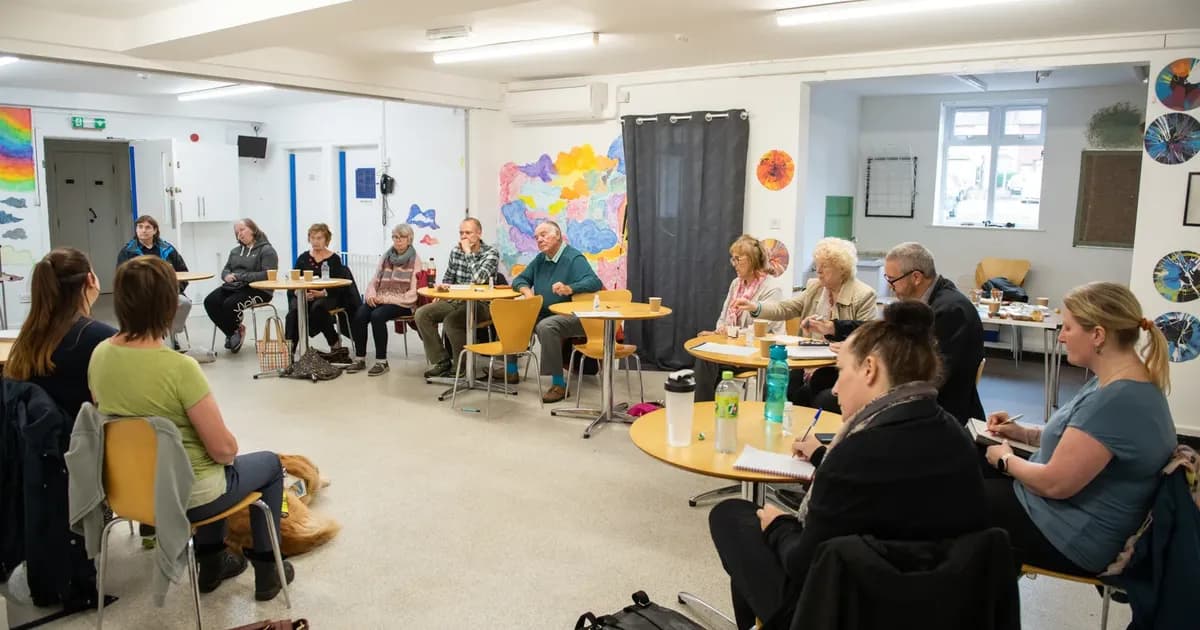
Being told you have a sight condition — especially one that may affect your vision long-term — can feel overwhelming. You might feel frightened, confused, or unsure where to start. That is completely normal, and you are not alone.
This page is for general information only and is not a substitute for advice from a qualified eye care professional. If you are worried about your eyes or your vision has changed, contact your GP, optician or hospital eye service.
Overview
Wakefield District Sight Aid is a local charity offering free, practical help across the Wakefield district: understanding the sight loss journey, connecting you with the right equipment, and introducing you to people who understand what you are going through, because peer support is so important. This guide covers the practical things most people want to know first; our other condition guides go into more detail about particular diagnoses.
Diagnosis and eye examinations
Once you have been seen by a hospital eye specialist (a consultant ophthalmologist), and if your sight loss is severe enough to meet the criteria, they can complete a Certificate of Vision Impairment (CVI) on your behalf. This certificate is the formal starting point for registering your sight loss with your local council, and for accessing a range of support designed specifically for people who are blind or partially sighted.
The CVI recognises two categories. 'Sight impaired' (often still called partially sighted) covers significant vision loss where some useful sight remains. 'Severely sight impaired' (often still called blind) covers very limited or no useful vision. Which category applies to you depends on a detailed assessment by your ophthalmologist, not on how your sight feels day to day.
Registering with your local council, once you have a CVI, is entirely voluntary — nobody has to register if they would rather not. But registering unlocks access to a range of benefits, discounts and priority services, so most people find it worthwhile even if they still have a reasonable amount of useful vision. Usually an Eye Care Liaison Officer (ECLO) at the hospital will walk you through exactly what registering involves and what it means in practice for you, but you can also contact us with any questions you have.
Living with the condition
Registration can affect your eligibility for a range of financial support, including Personal Independence Payment (PIP) and Attendance Allowance, and can lead to discounts such as a reduction on your council tax bill, a concession on your TV licence, and travel concessions on public transport. Exactly what you are entitled to depends on your personal circumstances and current rules, so it is always worth checking current guidance or asking a specialist agency such as Citizens Advice or DIAL rather than relying on what a friend or relative was told, since rules and rates do change over time.
Navigating benefits and registration paperwork can feel confusing on top of everything else. We can help you understand what you may be entitled to and refer you to appropriate services to support you through any application, so you are not doing it alone or from scratch.
Sight loss affects the whole family, not just the person diagnosed. If you are supporting someone who has recently been diagnosed, we can help you understand what they are going through, what equipment and services are available, and how to support them in a way that keeps their independence, rather than taking it over.
Support available from WDSA
Our team offers free, local support across the Wakefield district, with no need for a referral. This includes home visits from our experienced Sight Loss Advisor, telephone advice, social groups to help you stay connected with other people, and practical guidance on assistive technology — from simple magnifiers to smart speakers — that can make daily life easier. Call our helpline Monday to Thursday, 9.30am to 1.30pm, or get in touch through our contact page any time.
When to seek help
If you are worried about a change in your vision, contact your GP, optician or hospital eye service — do not wait to see if it settles down on its own. If you would simply like to talk things through with someone who understands, give us a call. If our helpline is closed, please leave a message and we will call you back as soon as we can. There is no referral needed.
Common questions
Do I have to register as sight impaired?
No — registration is entirely voluntary. However, most people find it worthwhile because it can unlock benefits, discounts and priority services that are otherwise harder to access. WDSA can talk you through the pros and cons for your own situation.
Who decides whether I'm 'sight impaired' or 'severely sight impaired'?
Your consultant ophthalmologist makes this assessment, based on detailed tests of your vision, and completes a Certificate of Vision Impairment (CVI) if you meet the criteria for either category. It is a clinical decision, not something you choose yourself.
What can I actually get by registering?
This can include financial support such as Personal Independence Payment or Attendance Allowance, discounts including council tax and TV licence concessions, and travel concessions, among other things. Exact entitlements depend on your personal circumstances and current rules, so we recommend checking with WDSA or the relevant government service rather than relying on general assumptions.
I don't feel 'disabled enough' to register — should I still consider it?
Many people feel this way, but registration is based on a clinical assessment of your vision, not on how independent you feel day to day. If your ophthalmologist has offered you a CVI, it is worth at least discussing what registering could offer, even if you decide it is not for you right now.
How quickly can WDSA help after a diagnosis?
You do not need a referral to contact us. Call our helpline or get in touch through our contact page, and in most cases, we can arrange an initial phone conversation within a couple of days. You do not need to be registered as sight impaired or severely sight impaired to access support from WDSA. We will help anyone who is struggling with their vision, whether they have a CVI or not.
Where can I find detailed information about a specific eye condition?
This site has plain-English guides to some of the most common eye conditions — including AMD, cataracts, glaucoma, diabetic retinopathy and retinitis pigmentosa — with more detail on symptoms, treatment and living well with each one.
Useful contacts
- Wakefield District Sight Aid (WDSA)
Free, local, practical support for anyone in the Wakefield district living with sight loss — no referral needed.
- RNIB Helpline
Practical advice and emotional support for anyone living with sight loss, from the Royal National Institute of Blind People.
Where this information comes from
This page was written by WDSA in plain English, using publicly available guidance from the following sources — not copied from them:
This page is for general information only and is not a substitute for advice from a qualified eye care professional. If you are worried about your eyes or your vision has changed, contact your GP, optician or hospital eye service.