


Also known as: Age-related cataract, Cloudy lens, Congenital cataract, Childhood cataract, Posterior subcapsular cataract, Secondary cataract, Posterior capsule opacification
This page has been checked by a named clinical or subject-matter reviewer (see the byline above). It remains general information, not a substitute for advice from a qualified eye care professional about your own eyes.
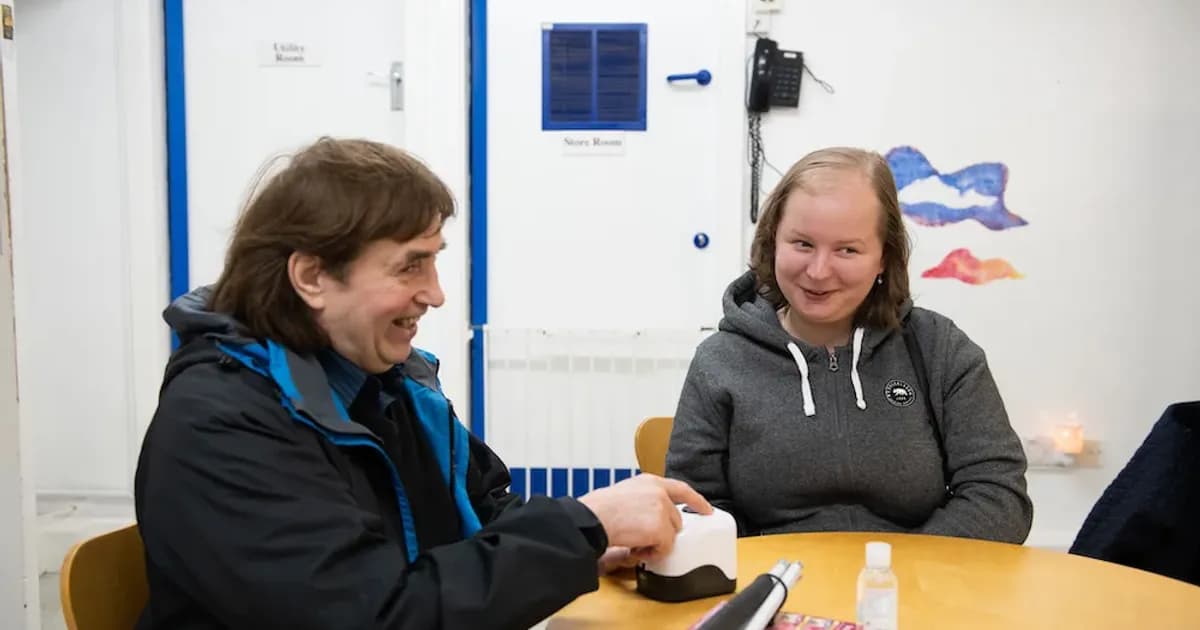
Being told you have a cataract can be a worry, but of all the eye conditions we support people with, this is one of the most treatable. Cataract surgery is the most common operation performed in the UK, and for most people it restores clear sight.
This page is for general information only and is not a substitute for advice from a qualified eye care professional. If you are worried about your eyes or your vision has changed, contact your GP, optician or hospital eye service.
Overview
Inside your eye, just behind the coloured part, sits a small clear lens. Its job is to focus light onto the back of your eye so you can see sharply. A cataract happens when proteins in that lens clump together and turn it cloudy, so light can no longer pass through cleanly. It is not a growth or a film over the eye, and other people cannot see it by looking at you.
Cataracts usually develop very slowly, often over years. Many people do not notice anything at first, and the cataract is picked up at a routine eye test before it causes real trouble. As it develops, vision gradually becomes mistier, a bit like looking through frosted glass or a fog that never lifts.
Most cataracts are simply part of getting older. Around one in three people over 65 has a cataract affecting their sight in one or both eyes. They cannot spread from one eye to the other, but age-related cataracts do usually develop in both eyes, often at different speeds, so one eye may be worse than the other.
The important thing to hold on to is that cataracts are treatable at any stage. Waiting does not damage your eye or make the operation less likely to work, and surgery has an excellent success rate.
Types of Cataracts
Age-related cataract
About this type
By far the most common type, making up around 95 per cent of all cataracts. The lens gradually clouds as part of getting older, usually from the 60s onwards, though it can start in your 40s or 50s. Vision slowly becomes misty, with glare and faded colours. It usually affects both eyes, often unevenly. Treated very successfully with surgery.
Congenital or childhood cataract
About this type
A rare form present at birth or developing in childhood, affecting around 3 to 4 in 10,000 babies. Causes include genetic conditions and infections during pregnancy, though often no cause is found. Midwives and GPs check for it at the newborn examination and the six to eight week check. Signs include cloudy patches in the pupil, wobbling eyes or a squint. Prompt surgery, where needed, protects the child's developing sight, followed by glasses, contact lenses or a lens implant.
Secondary cataract
About this type
A cataract caused by another condition or medicine, such as diabetes, uveitis, glaucoma or long-term steroid use. These often appear earlier in life than age-related cataracts and usually affect both eyes. Treatment is the same operation. Confusingly, people also say 'secondary cataract' to mean the cloudiness that can develop behind the lens implant after surgery. That is a different thing, called posterior capsule opacification, and a quick laser treatment fixes it.
Traumatic cataract
About this type
A cataract caused by an injury to the eye, or by previous eye surgery. It affects only the injured eye and can appear years after the injury itself. Symptoms and treatment are the same as for other cataracts.
Signs and symptoms
- Misty, cloudy or blurred vision, like looking through frosted glass, or feeling your glasses always need a clean
- Being dazzled by bright lights, especially car headlights at night or low winter sun
- Colours looking faded, washed out or slightly yellowed
- Halos around lights
- Finding it harder to see in dim light or at night
- Needing new glasses more often than usual
- Double vision or ghosting in one eye
Cataracts are not painful and do not make your eye red or watery. If your eye hurts or is red, something else is going on and it is worth getting it checked.
Where it affects the eye
What it can look like
Causes and risk factors
- Getting older, which is by far the most common cause. Most people start to develop cataracts after 65, some earlier
- Diabetes, which can bring cataracts on earlier
- Smoking
- Long-term use of steroid medicines
- An injury to the eye, or previous eye surgery
- Other eye conditions such as uveitis, glaucoma or retinitis pigmentosa
- Being very short-sighted
- A family history of cataracts
- Lots of unprotected sun exposure over the years
Babies can occasionally be born with cataracts, or develop them in childhood. This is rare, affecting around 3 to 4 in every 10,000 babies, and is checked for in the newborn examination and the six to eight week baby check.
Diagnosis and eye examinations
Cataracts are usually found at an ordinary eye test at the opticians, sometimes before you have noticed anything yourself. The optometrist looks into your eye using a microscope with a bright light, called a slit lamp. They may put drops in to widen your pupils for a better view. The drops sting for a second or two and leave your vision blurry and light-sensitive for a few hours, so do not drive to that appointment. None of the tests hurt.
You do not have to wait for a cataract to 'ripen'. That idea is out of date. What matters is how much your sight is affecting your daily life: reading, driving, recognising faces, managing at work or around the house. When it starts to get in the way, your optometrist can refer you to the hospital eye service.
At the hospital you will have a pre-assessment appointment. As well as examining your eyes, the team measures the shape and length of each eye. These measurements are used to choose the right strength of artificial lens for you. It is a good idea to mention any medicines you take, any previous eye surgery including laser vision correction, and whether you wear contact lenses, as you may need to leave them out for a few days beforehand.
Treatment and management
Surgery is the only treatment that works. No drops, tablets, diet or glasses can remove a cataract. The good news is that cataract surgery is quick, almost always done under local anaesthetic, and has one of the highest success rates of any operation.
On the day, you go in and home again the same day. Anaesthetic drops, sometimes with a small injection, completely numb the eye. You stay awake, but you feel no pain, and you cannot see what is happening; most people are aware only of light, shadows and movement. The surgeon makes tiny cuts, breaks up the cloudy lens with a small ultrasound probe, removes it, and slips a folded artificial lens into its place. The new lens unfolds, sits where your own lens was, and lasts for life. The operation itself usually takes 20 to 45 minutes, often less.
If both eyes need surgery, they are normally done on separate days, usually some weeks apart. Recovery is quicker than most people expect. Many notice brighter, clearer vision within a few days. You will use eye drops for about four weeks, wear a plastic shield at night at first, and need to avoid rubbing the eye, swimming and heavy lifting for a while. Full healing takes around four to six weeks, which is also when you would be tested for new glasses. Most people still need reading glasses afterwards, because the artificial lens cannot change focus the way a young natural lens can.
On the NHS, the target is to be treated within 18 weeks of referral, though real waiting times vary from area to area. If your sight is getting worse while you wait, tell the eye clinic, and ask your GP about being referred somewhere with a shorter list, which you are entitled to do.
Complications are uncommon and most are treatable. The most frequent late issue is the capsule behind the new lens turning cloudy months or years later, which can feel as if the cataract has come back. It has not, and a quick, painless laser treatment at an outpatient appointment clears it.
Living with the condition
If you are waiting for surgery, or your cataract is still mild, small changes make a real difference day to day.
Good lighting helps more than almost anything else. A bright, adjustable lamp pointed at your book or paperwork, rather than at your eyes, can bring back comfortable reading. Magnifiers and larger print help too, and it is worth turning up the text size on your phone or tablet.
Glare is often the most annoying symptom. Sunglasses with UV protection, ideally polarised ones, and a brimmed hat take the sting out of low sun. Take extra care driving at night, and be honest with yourself about whether headlights are becoming a problem.
Keep your glasses prescription up to date, as a fresh prescription can squeeze out useful vision while you wait. Using contrast at home helps as well, for example a dark chopping board for onions and a light one for carrots, or a strip of coloured tape on the edge of steps.
Support available from WDSA
If a cataract, or waiting for cataract surgery, is making everyday life harder, we can help. The majority of our services are free (some activities carry a contributory charge), confidential and available to anyone in the Wakefield district, with no professional referral needed.
Our experienced Sight Loss Advisor, Nicola Ford, can visit you at home to talk through what is getting difficult and show you equipment that helps, such as tactile markers, task lamps and liquid level indicators. If a visit is not convenient, we offer the same support by telephone. You can also drop in at one of our equipment demonstration events and try assistive technology with us, from simple magnifiers to phones and other assistive technology set up for low vision.
If you have just been told you have a cataract and are not sure what happens next, our staff team can walk you through the referral process and what to expect from surgery. Just call our helpline for an informal chat. Our coffee mornings and social groups across the district are friendly places to talk to others who have been through it. We also support family members and carers.
Call us on 01924 215 555 (Monday to Thursday, 9.30am to 1.30pm), email admin@wdsa.org.uk, or visit us at St Swithun's Community Centre, Wakefield (our small team works flexibly, so please make an appointment before visiting the office).
When to seek help
A cataract itself is never an emergency. It develops slowly, and waiting for treatment does not permanently harm your eye. For most people the right step is simply to mention symptoms at your next eye test, and to ask about referral once your sight starts affecting daily life.
After cataract surgery, though, some symptoms do need urgent attention. If you notice sudden vision loss, increasing pain or redness, new flashes or floaters, or your vision getting worse rather than better, contact the eye clinic the same day, or call NHS 111 out of hours. These can be signs of a complication, and the sooner it is treated the better the outcome.
One more thing to be aware of: to drive, you must be able to read a number plate from 20 metres, with glasses if you wear them. If a cataract stops you managing that, you must stop driving and tell the DVLA. Most people are back to driving within a couple of weeks of successful surgery.
Common questions
Am I awake during cataract surgery?
Yes, almost everyone is. The eye is completely numbed with anaesthetic drops, sometimes with a small injection too, so you feel no pain. You cannot see what the surgeon is doing; most people are aware only of light, shadows and movement. If you think you would struggle to lie still, sedation is an option, and a general anaesthetic can be arranged for people who genuinely need one.
Does cataract surgery hurt?
No. The anaesthetic means you feel no pain during the operation. Afterwards the eye can feel gritty or sore for a day or two as the anaesthetic wears off, and ordinary paracetamol is usually all you need. The cataract itself does not hurt either.
How long will I wait for surgery on the NHS?
The NHS target is treatment within 18 weeks of referral, but actual waits vary a lot from area to area, and a few months is common. The wait does not harm your eye or affect how well the surgery works. If your daily life is suffering while you wait, tell the eye clinic, and you can ask your GP about being referred to a hospital with a shorter list.
Can a cataract come back after surgery?
No. The cloudy lens is removed completely and the artificial lens cannot develop a cataract. What can happen, in up to about one in five people, is that the capsule holding the new lens turns cloudy months or years later, which feels very similar. This is easily fixed with a quick, painless laser treatment at a single outpatient appointment, and it does not come back after that.
Will I still need glasses after surgery?
Almost certainly for reading. The standard NHS lens is set for one distance, usually far away, and cannot change focus the way a young natural lens does. Some people also need a mild distance prescription to sharpen things up. You would normally be tested for new glasses about six weeks after surgery, once the eye has settled.
When can I drive again after cataract surgery?
Not on the day itself, as your vision will be blurry from the drops, so arrange a lift home. Most people are driving again within days to a couple of weeks, once they can read a number plate from 20 metres and their eye clinic is happy. If you are between operations on your two eyes and your vision feels unbalanced, mention it at your follow-up before getting back behind the wheel.
Useful contacts
- Wakefield District Sight Aid
Local support for anyone in the Wakefield district: helpline, home visits from our Sight Loss Advisor, equipment demonstrations, Living Well with Sight Loss courses, social groups and telephone support
- RNIB Helpline
National sight loss charity: advice, information and emotional support (weekdays 8am to 8pm, Saturdays 9am to 1pm)
- NHS 111
Urgent advice if you have worrying symptoms after cataract surgery and the eye clinic is closed
- DVLA Drivers' Medical Enquiries
Telling the DVLA about an eye condition that affects your driving
Where this information comes from
This page was written by WDSA in plain English, using publicly available guidance from the following sources — not copied from them:
This page is for general information only and is not a substitute for advice from a qualified eye care professional. If you are worried about your eyes or your vision has changed, contact your GP, optician or hospital eye service.